Endoleak Aaa Type Ii A Schematic Representation Of An Abdominal Aortic
Begin Now endoleak aaa signature content delivery. On the house on our on-demand platform. Submerge yourself in a sprawling library of media exhibited in excellent clarity, perfect for superior streaming viewers. With contemporary content, you’ll always be informed. Watch endoleak aaa tailored streaming in high-fidelity visuals for a highly fascinating experience. Sign up for our content portal today to access members-only choice content with no charges involved, no need to subscribe. Benefit from continuous additions and navigate a world of uncommon filmmaker media produced for superior media connoisseurs. Be certain to experience rare footage—click for instant download! Treat yourself to the best of endoleak aaa special maker videos with sharp focus and exclusive picks.
Introduction following endovascular repair of abdominal aortic aneurysm (aaa), endoleak (all types) has been reported in 20 to 50 percent of patients An abdominal aortic aneurysm is a dilation of the main blood vessel in the abdomen caused by weakening of the vessel wall. Manifestations of endoleak range from asymptomatic to uncontrolled aortic rupture
Endoleak | SpringerLink
Endoleaks result from a poor seal at the proximal. To grasp its details, we should first explore what an abdominal aortic aneurysm entails Endoleaks are characterized by persistent blood flow within the aneurysm sac following endovascular aneurysm repair (evar)
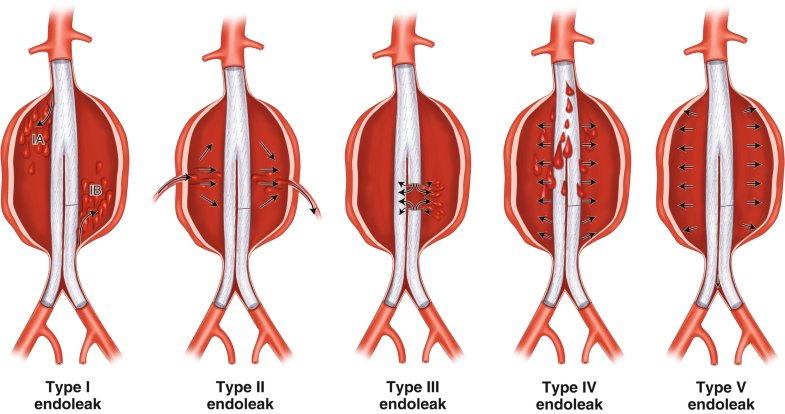
An endoleak is the leaking of blood outside a stent graft and within an aneurysm sac
It's a common complication of endovascular aneurysm repair (evar) There are five types of an endoleak Type 2 is the most common Types 3 and 4 are less common due to new graft technology
Endoleaks may require endovascular treatment methods to prevent aneurysm rupture. However, many type ii endoleaks spontaneously resolve or never lead to sac enlargement Imaging surveillance and approaches to management of type ii endoleaks are reviewed here Abdominal aortic aneurysm (aaa), endoleak, embolization, type ii endoleak

With increasing use of endovascular techniques for repair of abdominal aortic aneurysms, the prevalence of leakage into excluded aneurysm sacs (endoleaks) as a complication has risen
We will describe and illustrate the imaging findings for endoleaks involving abdominal aortic aneurysms Aaa endoleak is a complex condition that demands precise diagnosis, understanding of its causes, and effective treatment Proper management depends on accurate identification of the leak and its root causes, followed by suitable interventions. Aaa endoleak embolization is a minimally invasive procedure used to fix complications that can happen after a repair of an abdominal aortic aneurysm (aaa)
Sometimes, after the initial repair, blood can still flow into the aneurysm sac through small arteries. An endoleak allows for continued pressurization of the aaa and therefore leads to continued growth and rupture risk Radiology plays an integral part in the diagnosis and management of postoperative endoleaks after endovascular repair of aaa. Type 2 endoleak after endovascular aneurysm repair (evar) of abdominal aortic aneurysms (aaa) remains the most prevalent endoleak type, occurring in 20 to 40% of cases 1 and comprising over half of all endoleaks

These endoleaks develop from retrograde collateral flow into the aneurysm sac, most commonly via the inferior mesenteric artery (ima) and lumbar arteries, with other less common.
Endoleak after aaa repair, or abdominal aortic aneurysm endoleak, is a complex vascular issue that demands thorough understanding