Sodium Leak Channels In Neuronal Excitability And Rhythmic Behaviors
Begin Your Journey sodium leak channels VIP watching. On the house on our digital playhouse. Delve into in a huge library of selections ready to stream in superb video, flawless for select streaming gurus. With hot new media, you’ll always get the latest. Reveal sodium leak channels hand-picked streaming in retina quality for a completely immersive journey. Join our network today to peruse one-of-a-kind elite content with totally complimentary, no recurring fees. Get access to new content all the time and explore a world of exclusive user-generated videos perfect for prime media addicts. Act now to see one-of-a-kind films—download fast now! Explore the pinnacle of sodium leak channels one-of-a-kind creator videos with exquisite resolution and staff picks.
Ion channels are crucial components of cellular excitability and are involved in many neurological diseases Nalcn, a sodium leak channel, plays a key role in regulating the resting membrane potential and controlling neuronal excitability Leak channels, also referred to as leakage or passive channels, represent the most basic type of ion channel found in cells, essential for shaping the membrane's potential difference
Sodium Leak Channels in Neuronal Excitability and Rhythmic Behaviors
This perpetual openness enables ions to move across the membrane according to their respective. Mutations in nalcn, unc79, or unc80 lead to severe. These channels allow a small, continuous inward leak of sodium ions, slightly counteracting the negative potential created by potassium efflux.
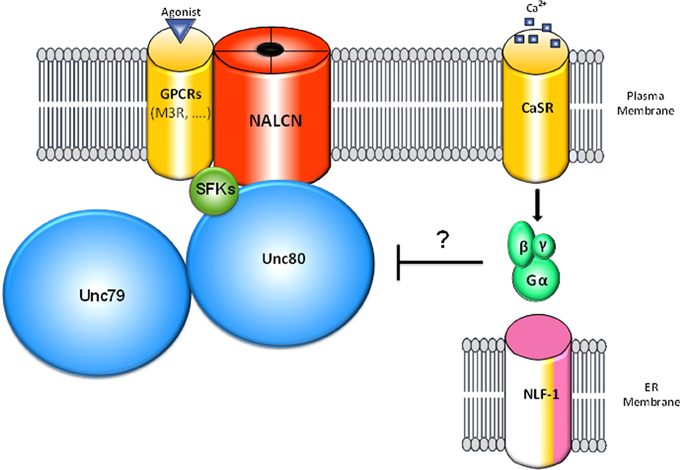
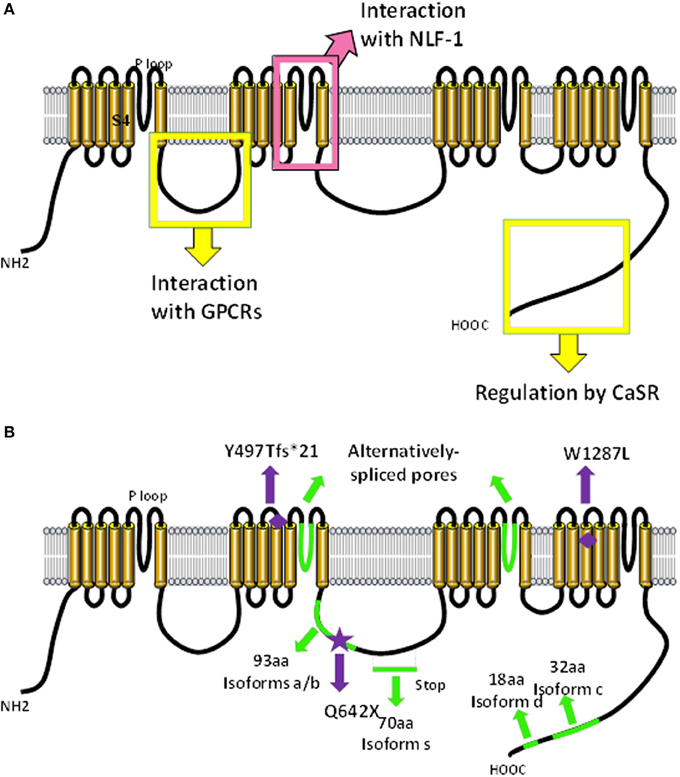
Nalcn (sodium leak channel, nonselective) is vital for regulating electrical activity in neurons and other excitable cells, and mutations in the channel or its auxiliary proteins lead to severe neurodevelopmental disorders
In recent years, researchers have finally identified a na + leak channel, elucidated the members of the channel complex, and revealed some of this channel's fundamental roles in neuronal function and animal behavior. Auxiliary proteins further refine function, as seen in sodium leak channels where regulatory subunits influence gating kinetics These mechanisms ensure leak channels remain adaptable, dynamically responding to cellular states while preserving resting membrane potential stability. Extracellular k+, na+, and ca2+ ions all influence the resting membrane potential of the neuron
However, the mechanisms by which extracellular na+ and ca2+ regulate basal neuronal excitability are not well understood Recent findings suggest that nalcn, in association with unc79 and unc80, contributes a basal na+ leak conductance in neurons