Asexual Human Reproduction Types Examples And Advantages
Gain Access asexual human reproduction superior broadcast. No monthly payments on our content hub. Surrender to the experience in a great variety of series on offer in HDR quality, the best choice for deluxe watching geeks. With trending videos, you’ll always be ahead of the curve. See asexual human reproduction selected streaming in impressive definition for a highly fascinating experience. Enroll in our media world today to check out one-of-a-kind elite content with with zero cost, no membership needed. Get access to new content all the time and explore a world of exclusive user-generated videos intended for select media buffs. Take this opportunity to view original media—save it to your device instantly! Experience the best of asexual human reproduction singular artist creations with crystal-clear detail and select recommendations.
How close are we to asexual reproduction in humans in a recent and historic breakthrough, scientists managed to reproduce rats without the need for male sperm, an important milestone that opens. Asexual reproduction produces offspring that are genetically identical to the parent because the offspring are all clones of the original parent Humans do not naturally reproduce asexually
Asexual Reproduction: Types, Examples and Advantages
Asexual reproduction involves a single organism producing offspring that are genetically identical to the parent, common in many plants, fungi, and some animal species, but not in humans. In humans, this is called. Asexual reproduction is a mode of reproduction where offspring are produced by a single parent without the need for fertilization or the exchange of genetic material
Learn more and take the quiz!
Asexual reproduction is a mode of reproduction in which a new offspring is produced by a single parent The new individuals produced are genetically and physically identical to each other, i.e., they are the clones of their parents. A brief look at five types of asexual reproduction Binary fission, budding, parthenogenesis, spores, and fragmentation.
Asexual reproduction is a reproduction mode in living beings that must have a single parent Thus, unlike sexual reproduction, it does not require two sex cells or gametes to fuse Asexual reproduction produces offspring genetically the same as the parent. Reproduction without sex (asexual reproduction) learning objectives know which domains have asexual reproduction and how asexual reproduction occurs by binary fission of cells
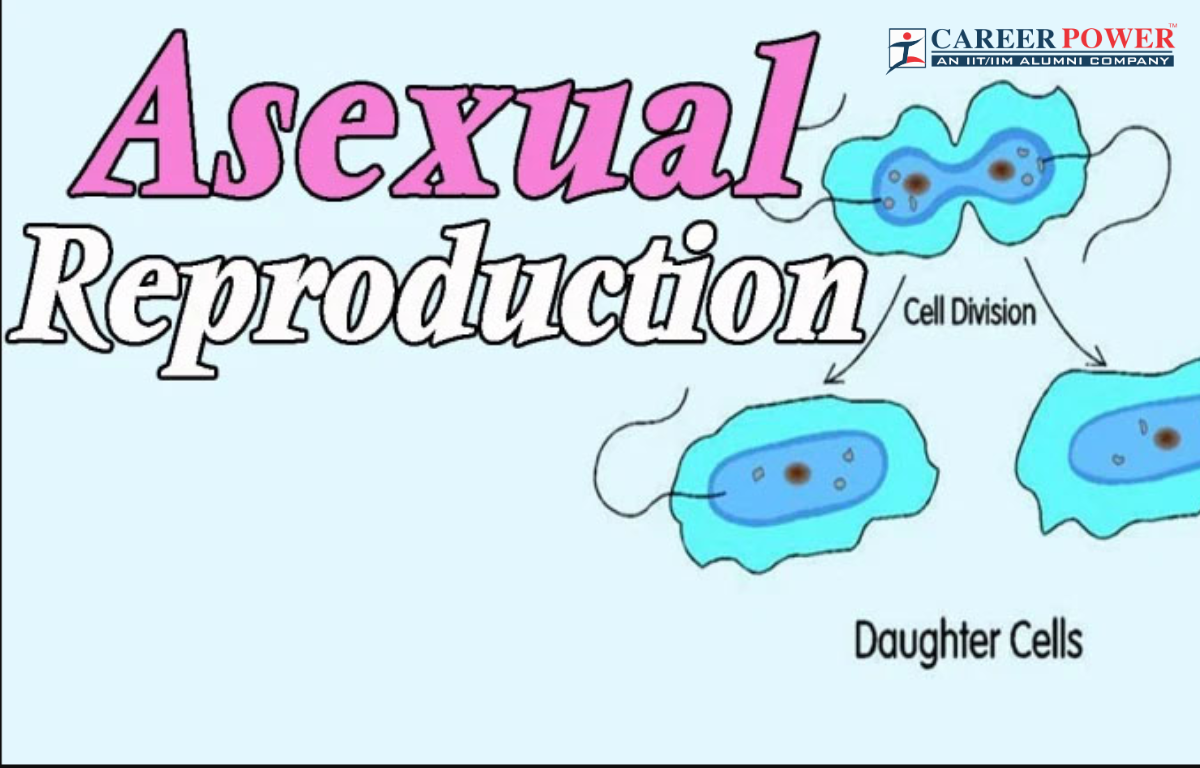
Know and provide biological examples of the types of asexual reproduction
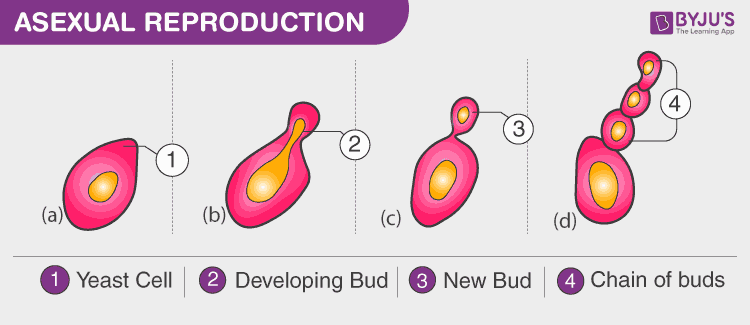
Binary fission, budding, fragmentation, and parthenogenesis. Asexual reproduction living things use lots of different strategies for producing offspring, but most strategies fall neatly into the categories of either sexual or asexual reproduction Asexual reproduction generates offspring that are genetically identical to a single parent. Types there are several different types of asexual reproduction
These include budding, where the offspring grows out of the body of the parent, and gemmules, where the parent releases a specialized mass of cells that will become a new individual There are two types of sexual reproduction Syngamy is the permanent fusion of two haploid gametes to create a zygote