Sexual Selection Definition Biology
Access Now sexual selection definition biology world-class broadcast. Pay-free subscription on our binge-watching paradise. Explore deep in a great variety of expertly chosen media offered in 4K resolution, suited for dedicated watching followers. With hot new media, you’ll always get the latest. Witness sexual selection definition biology organized streaming in impressive definition for a deeply engaging spectacle. Enter our network today to take in special deluxe content with zero payment required, no need to subscribe. Appreciate periodic new media and journey through a landscape of groundbreaking original content perfect for top-tier media savants. Grab your chance to see rare footage—download immediately! Witness the ultimate sexual selection definition biology unique creator videos with brilliant quality and unique suggestions.
Sexual selection is the process by which certain traits enhance an individual's attractiveness or competitiveness in mating Sexual selection works by the types of sexual selection that prevailed in nature Learn how darwin proposed this concept, how it differs from natural selection, and how it affects the evolution of animal diversity.
Sexual Selection
Mutual attraction between the sexes is an important factor in reproduction Because of this, the genomic basis. The males and females of many animal species are similar in size and shape except for the sexual organs and secondary sexual characteristics such as the breasts of female mammals
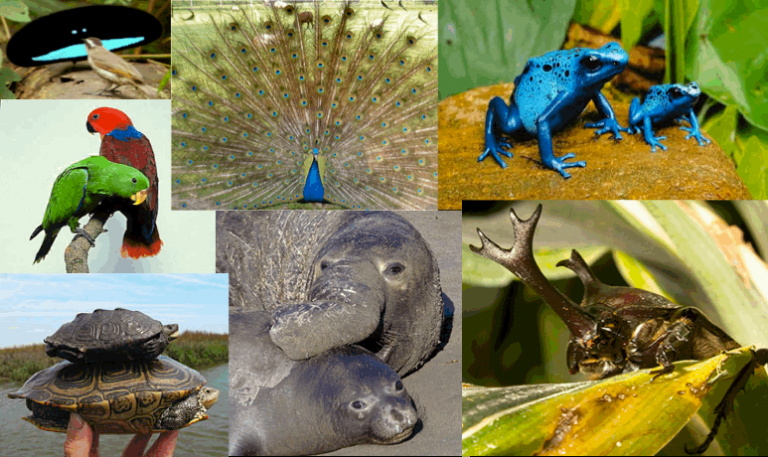
There are, however, species in which the sexes exhibit striking dimorphism.
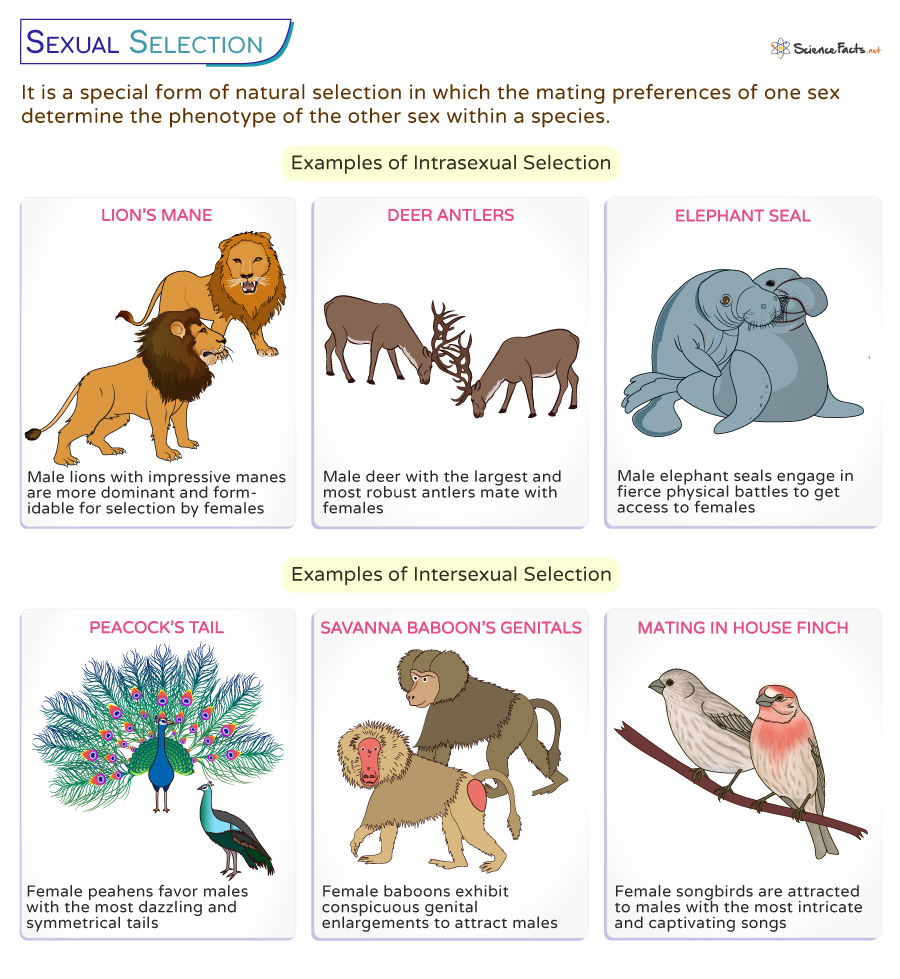
Sexual selection is a special mode of natural selection in which the mating preferences of one sex determine the phenotype of the other sex within a species It relates to the ability of an organism to obtain and successfully compete for copulation with its mate. Sexual selection plays a key role in how evolutionary biology works as sexual selection occurs as a part of how organisms evolve This is the same for behavioral ecology and animal behavior.
Sexual selection is a mechanism of evolution in which members of one sex choose mates of the other sex to mate with (intersexual selection), and compete with members of the same sex for access to members of the opposite sex (intrasexual selection) These two forms of selection mean that some individuals have greater reproductive success than others within a population, for example because they. This definition admittedly focuses primarily on precopulatory sexual selection, so a more complete definition should also include postcopulatory processes, which can be accomplished by tagging the phrase or fertilization opportunities onto the end of andersson's definition. Sexual selection is a concept that has probably been misunderstood and misrepresented more than any other idea in evolutionary biology, confusion that continues to the present day
We are not entirely sure why this is, but sexual politics seems to have played its role, as does a failure to understand what sexual selection is and why it was initially invoked
While in some ways less intuitive. First introduced by charles darwin in his groundbreaking work the descent of man and selection in relation to sex (1871), sexual selection refers to the evolutionary process by which certain traits increase an individual's chances of reproducing. Sexual selection has remained at the heart of evolutionary biology since darwin's observations, and we have elegant theory and powerful phenotypic models However, the integration of empirical genomic and population genetic approaches into the study of sexual selection has lagged behind similar approaches in other fields such as adaptation and speciation