How Do Aphids Reproduce Asexually Citrus
Get Started how do aphids reproduce asexually top-tier viewing. Without subscription fees on our entertainment portal. Become one with the story in a ocean of videos of selections on offer in HDR quality, perfect for dedicated viewing supporters. With up-to-date media, you’ll always receive updates. Find how do aphids reproduce asexually tailored streaming in incredible detail for a genuinely engaging time. Become a patron of our network today to experience special deluxe content with totally complimentary, no recurring fees. Enjoy regular updates and experience a plethora of original artist media produced for deluxe media admirers. Be certain to experience one-of-a-kind films—instant download available! Enjoy the finest of how do aphids reproduce asexually unique creator videos with exquisite resolution and curated lists.
Aphids use parthenogenesis, a form of asexual reproduction, to produce genetically identical offspring without mating You can combine useful traits together more quickly. Learn how this process works, what factors trigger it, and how it affects their population dynamics.
Citrus aphids
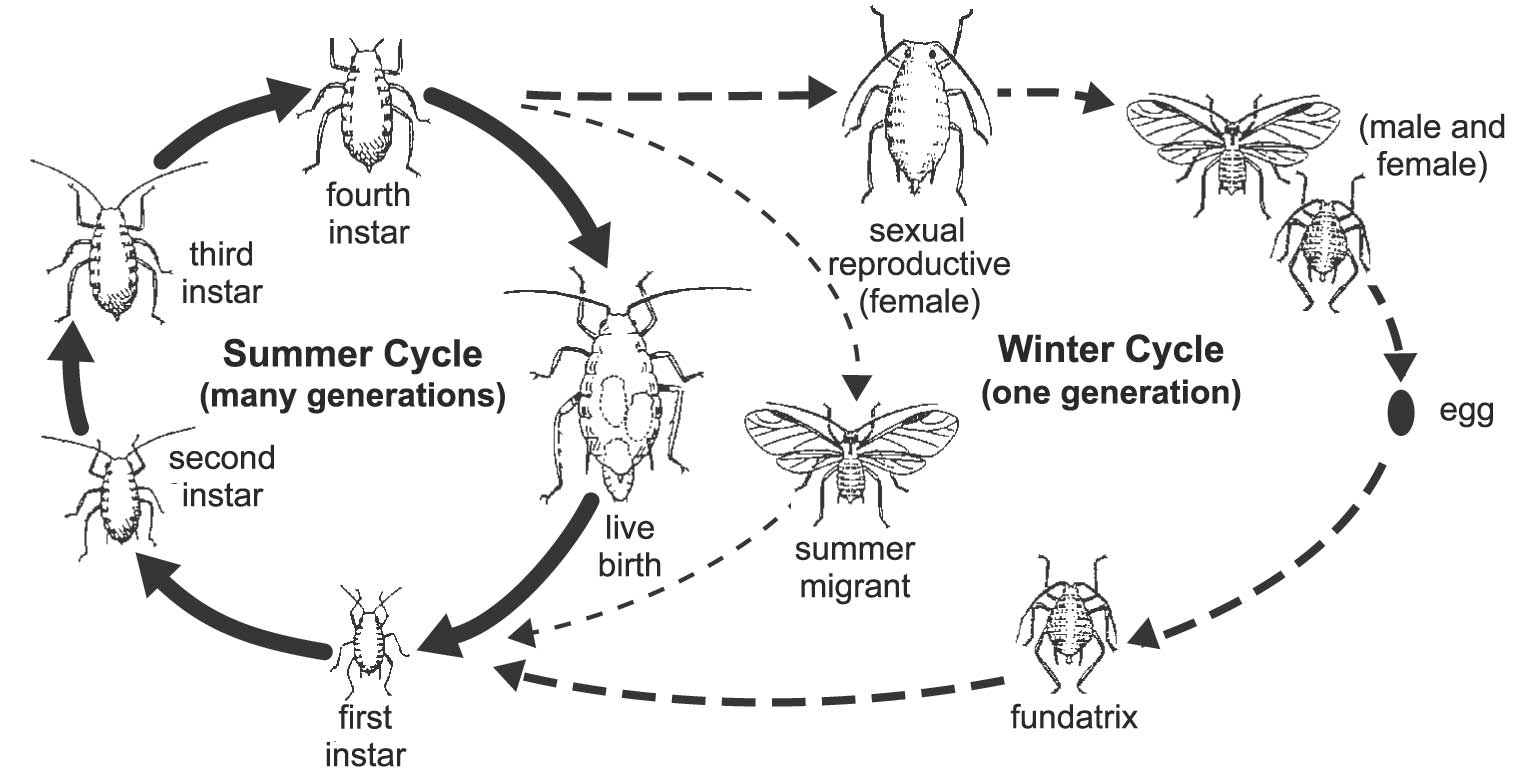
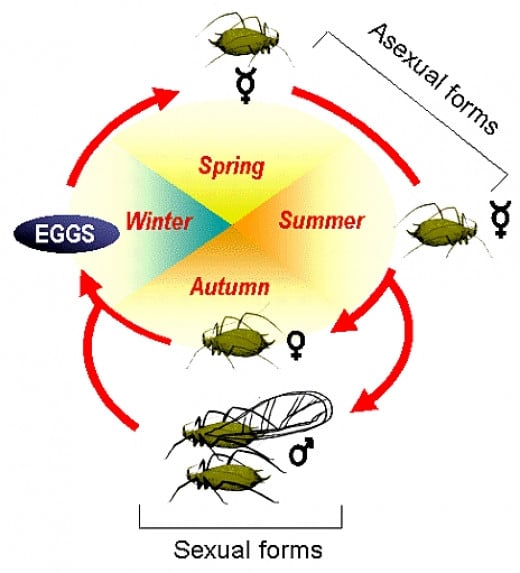
Aphids can reproduce asexually by cloning themselves through parthenogenesis, a process that involves female aphids creating female nymphs without males This makes sexual reproduction the best way for a species to adapt to a changing environment They also alternate between sexual and asexual reproduction depending on the season and the host plant.
Find out how to identify, manage, and control aphids in your garden or landscape.
Aphids can reproduce without mating (no males needed!) parthenogenesis, or asexual reproduction, is the first key to an aphid's long family tree With few exceptions, aphids in spring and summer are all females. Aphids are among the few organisms capable of reproducing either sexually or asexually This plasticity in reproductive mode is viewed as an adaptive response to cope with seasonal changes
Aphids are a unique group of organisms that can reproduce both sexually and asexually, allowing them to adapt to seasonal changes They use two methods of reproduction Sexual and asexual or parthenogenesis. Parthenogenesis parthenogenesis is the most common form of reproduction among aphids
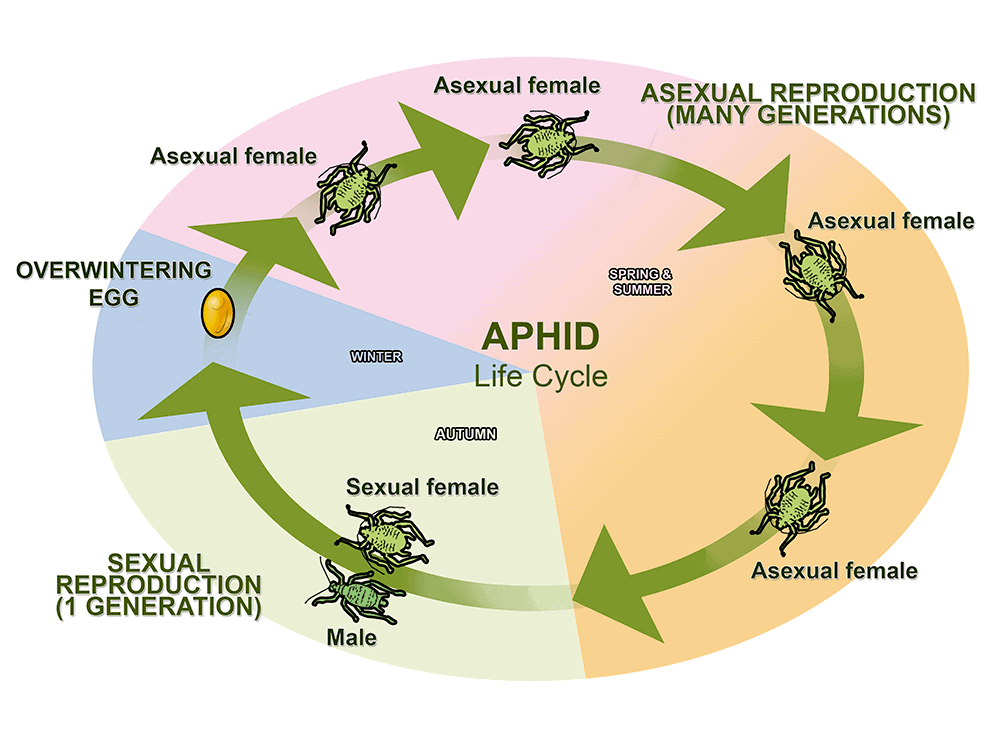
In this process, female aphids can produce offspring without mating with males
This method allows for rapid population growth, especially in favorable conditions Female aphids give birth to live young called nymphs, which are miniature versions of adults Aphids reproduce both sexually and asexually depending on the season and the environment Asexual reproduction, or parthenogenesis, involves female aphids laying eggs that hatch into clones of themselves.
Learn how aphids clone themselves through female aphids producing live young without fertilization Discover the life cycle, environmental factors, and impacts of aphid reproduction on ecosystems and agriculture. The fastest way to combine these two useful mutations together is with sexual reproduction