Are Only Mammals Affected By Capsaicin Radovanov Popov Stoyanova 10 6 Ppt
Begin Immediately are only mammals affected by capsaicin top-tier live feed. Pay-free subscription on our video portal. Get captivated by in a great variety of binge-worthy series ready to stream in cinema-grade picture, perfect for prime streaming viewers. With up-to-date media, you’ll always be in the know. See are only mammals affected by capsaicin arranged streaming in stunning resolution for a utterly absorbing encounter. Connect with our viewing community today to enjoy select high-quality media with 100% free, registration not required. Get frequent new content and delve into an ocean of rare creative works conceptualized for superior media admirers. Make sure to get unique videos—rapidly download now! Witness the ultimate are only mammals affected by capsaicin specialized creator content with dynamic picture and staff picks.
Discover why capsaicin burns mammals but leaves birds unaffected They possess natural immunity to capsaicin's irritating effects because their mouths don't have the kind of taste receptors mammals have. Explore the science of trpv1 receptors and how evolution uses heat as a precision filter.
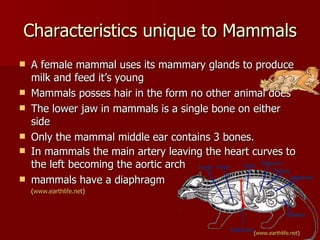
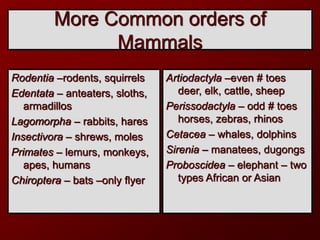
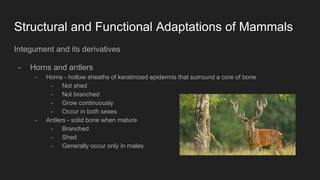
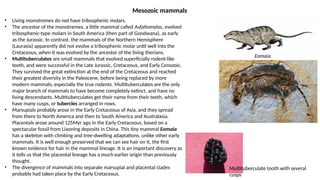
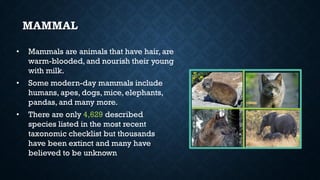
Mammals | PPTX
It is a potent irritant for mammals for which it produces a sensation of burning in any tissue with which it comes into contact Unlike mammals, most birds and reptiles can eat chili peppers, because they are not affected by the presence of capsaicin Peppers evolved chemicals like capsaicin to discourage animals from eating them, and that chemical itself can cause internal damage if consumed in large quantities, though this is usually only a concern for the hottest of peppers (which people do eat)
Still, why is it that humans seem to be the only animal that often like spicy food?
Chillies belong to the capsicum genus in the nightshade family There are five domesticated species, but most of the cultivars we use in cooking have been bred from capsicum annuum Only mammals are susceptible to the chemical compounds, known as capsaicinoids, in a chilli These are concentrated in the membrane surrounding the seeds (not in the seeds, as is often thought)
Birds aren't affected by capsaicin, and tend to serve as important seed dispersers for chili plants But almost all of our fellow mammals, including dogs and elephants, do experience spiciness. It was first isolated in 1816, but only recently have scientists begun to understand its evolutionary intent Found in the placental tissues of chili peppers (capsicum species), capsaicin is no.

Capsaicin deters mammals but has no effect on birds, because birds lack the trpv1 receptor that responds to it
The plant essentially invented a selective deterrent Keep the mammals away, let the birds through This system worked well for millions of years Moalem describes how raw habanero peppers have a burning chemical called capsaicin
This relates to big idea 1, the process of evolution drives the diversity and unity of life, because this capsaicin has evolved to affect mammals but not birds. I've looked this up and tried to do a bit of research, but no article or website has given me the answers i want I know that birds and reptiles aren't affected, and mammals are, but what about fish, crustaceans, insects, etc. I just really wanna know.

Simultaneously, bluejay feeds on birdseed treated with capsaicin (a mammal repellent), and a gray squirrel feeds on birdseed treated with methyl anthranilate, a bird repellent
Baylis,1'4 phillip cassey,2 and mark e Capsaicin triggers the release of the neuropeptide p from the sensory nerve fibers of the c type.3 in mammals, capsaicin binds to the trpv1 vanilloid receptor.15 the trpv1 receptor then releases sensory neuropeptides that trigger a neurogenic inflammatory response.13,19 More about this card most mammals steer clear of capsaicin, the component responsible for the fiery sensation in chili peppers, due to its irritating effects However, a fascinating study reveals that humans are not the only mammals with a penchant for spicy flavors
The tree shrew, a small mammal found in the forests of southeast asia, has also exhibited a unique tolerance and even preference. The current understanding suggests that insects generally lack the trpv1 receptors that detect capsaicin Therefore, they are unlikely to experience the sensation of spicy in the same way that humans and some mammals do However, insects may be affected by other compounds in chili peppers, such as volatile oils, which could act as repellents.
Additional properties of capsaicin have been demonstrated, including pain relief, weight loss, body thermoregulation, and antioxidant, antimicrobial and anticancer activities
Studies of capsaicin's effects on the human and animal organism need to be continued, with special emphasis on new applications. Inhaling sprays containing capsaicin can cause coughing, dificulty breathing, production of tears, nausea, nasal irritation, and t mporary blindness In animals, capsaicin causes coughing, temporary blindness, and prevents the vocal cords from workin Transient receptor potential channels are implicated in thermosensation both in mammals and insects
The aim of our study was to assess the effect of mammalian vanilloid receptor subtype 1 (trpv1) agonist (capsaicin) and antagonist (capsazepine) on insect.