What Is The Only Human Organ That Can Regenerate Itself Stem Cells And Tsue Engineering Ppt
Start Streaming what is the only human organ that can regenerate itself high-quality digital broadcasting. No recurring charges on our visual library. Submerge yourself in a endless array of films exhibited in Ultra-HD, a dream come true for premium viewing aficionados. With contemporary content, you’ll always stay current. Discover what is the only human organ that can regenerate itself hand-picked streaming in life-like picture quality for a genuinely gripping time. Enter our viewing community today to access one-of-a-kind elite content with no payment needed, without a subscription. Receive consistent updates and venture into a collection of exclusive user-generated videos tailored for elite media lovers. Take this opportunity to view exclusive clips—begin instant download! Treat yourself to the best of what is the only human organ that can regenerate itself uncommon filmmaker media with impeccable sharpness and preferred content.
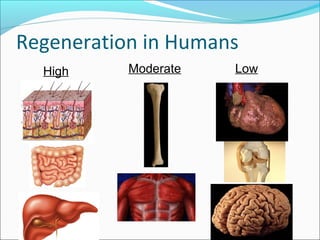
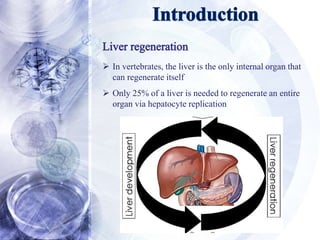
Liver regeneration is the process by which the liver is able to replace damaged or lost liver tissue In this regard, skin has the most potential for regeneration. The liver is the only visceral organ with the capacity to regenerate
Can the organs regenerate? - YouTube
[1][2] the liver can regenerate after partial hepatectomy or injury due to hepatotoxic agents such as certain medications, toxins, or chemicals For example, if a limb is removed from the body, it cannot be regenerated [3] only 10% of the original liver mass is required for the organ to regenerate.
This regenerative capability is possible due to special liver cells called hepatocytes
Here is some key information about the liver's regenerative abilities: Researchers uncovered the roles that different cells in the liver play in organ maintenance and regeneration after injury. The liver is the only solid internal organ humans regrow, while nerves and heart muscle only scar See why, plus how salamanders and fingertips regenerate.
Did you know that the liver is the only internal organ that can regenerate But it doesn't grow back like a salamander's tail When a portion of the liver is removed, the remaining tissue grows bigger This process is called hypertrophy
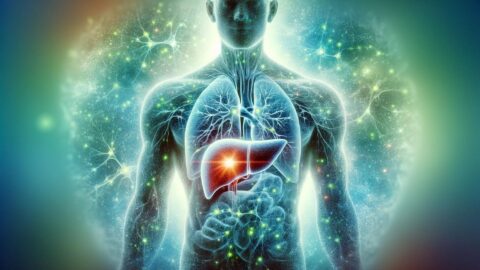
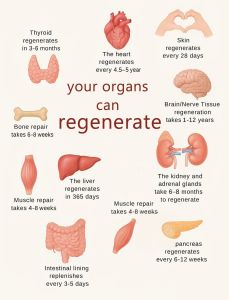
Skin cells regenerate fast and on a fixed schedule, and even kidneys can heal themselves from minor damage
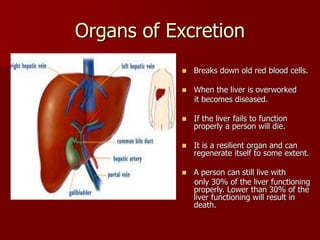
However, the liver is the only organ in the human body that can regenerate its tissues in response to extensive damage The liver's regenerative abilities are so strong that even large sections can grow back if given the opportunity. The liver is an extraordinary organ with a remarkable ability to heal and regenerate itself after damage The short answer to the question, does the liver regenerate? is a resounding yes.
Explore the grim reality of the black market and the price points for human organs, including the ethical implications. For most tissues in the body, regeneration happens the way you'd expect Stem cells multiply and develop into new specialized cells Cartilage appears to work differently.
During sleep, intricate processes unfold in the brain and body
Learn about what happens when you sleep and why it's important to get quality, restorative rest. According to some theories of sleep, sleeping in one consolidated block at night allowed early humans to simultaneously avoid predators, conserve energy, and meet their need for rest. Not only does saliva increase the health of your body tissues, but it also protects enamel by coating the teeth with protective calcium and other minerals. Crispr gene editing has moved from laboratory breakthrough to approved medicine, with casgevy curing sickle cell disease and clinical trials underway for cancer, cardiovascular disease, and rare genetic conditions
The musculoskeletal system provides stability and allows for movement of the body, and includes the bones, muscles, joints, tendons, and more. The cns cannot regenerate by itself while the pns can However, regeneration is limited in human The human body can only regenerate from certain degree of injury